
Operational intelligence is only as powerful as the information available to it.
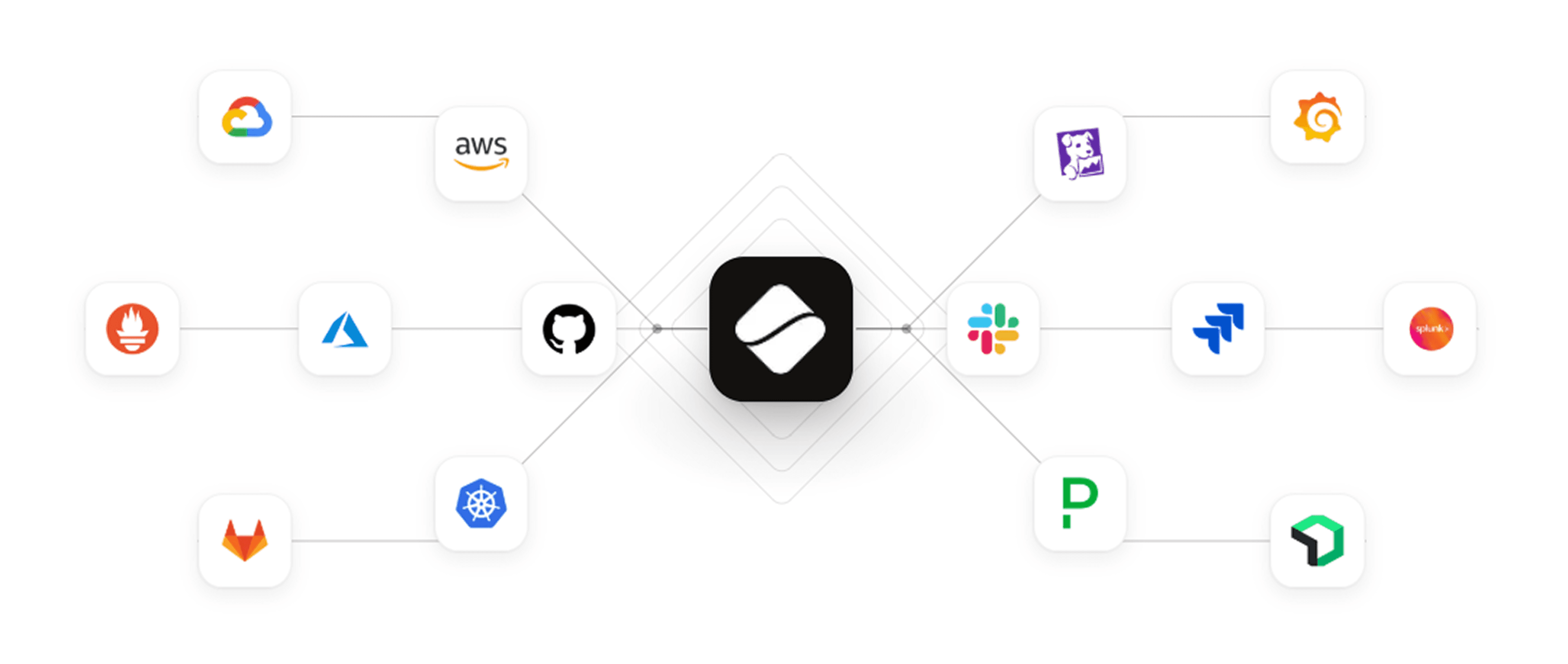
Connectors are the intelligence ingestion layer of the Scrubbe platform — continuously collecting operational signals from across your estate and turning them into structured intelligence.
The problem
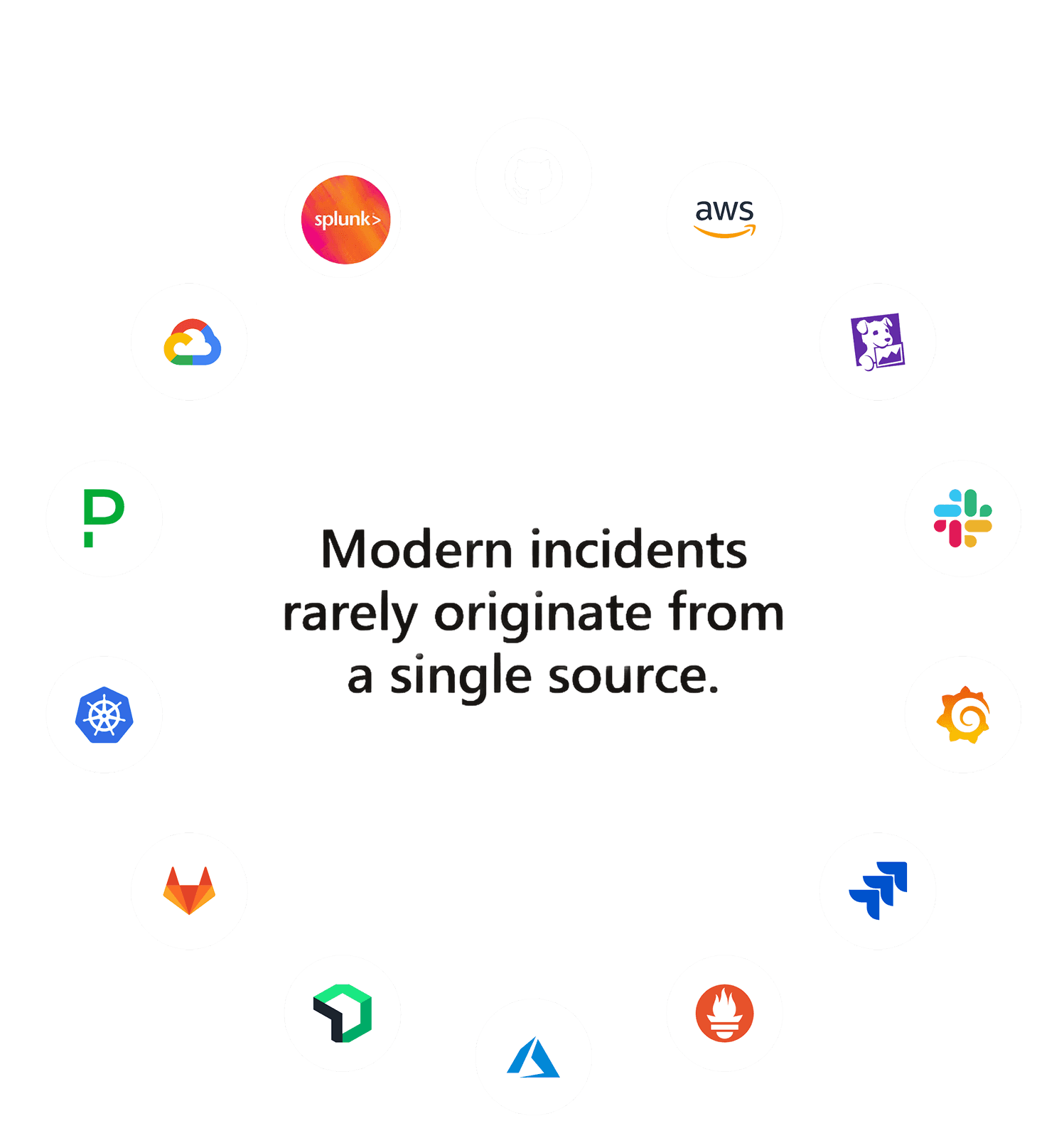
Modern incidents rarely originate from a single source.
A deployment may introduce a defect. Infrastructure may amplify its impact. Monitoring platforms may detect degradation. Alerting systems may escalate the issue.
Collaboration tools may coordinate the response. Ticketing platforms may track remediation efforts. Yet despite the interconnected nature of modern systems, operational data remains fragmented across dozens of disconnected tools. Engineering teams are forced to assemble context manually — moving between repositories, pipelines, and observability systems in an effort to understand what happened.
Scrubbe was designed to eliminate this fragmentation.
The Ingestion Layer
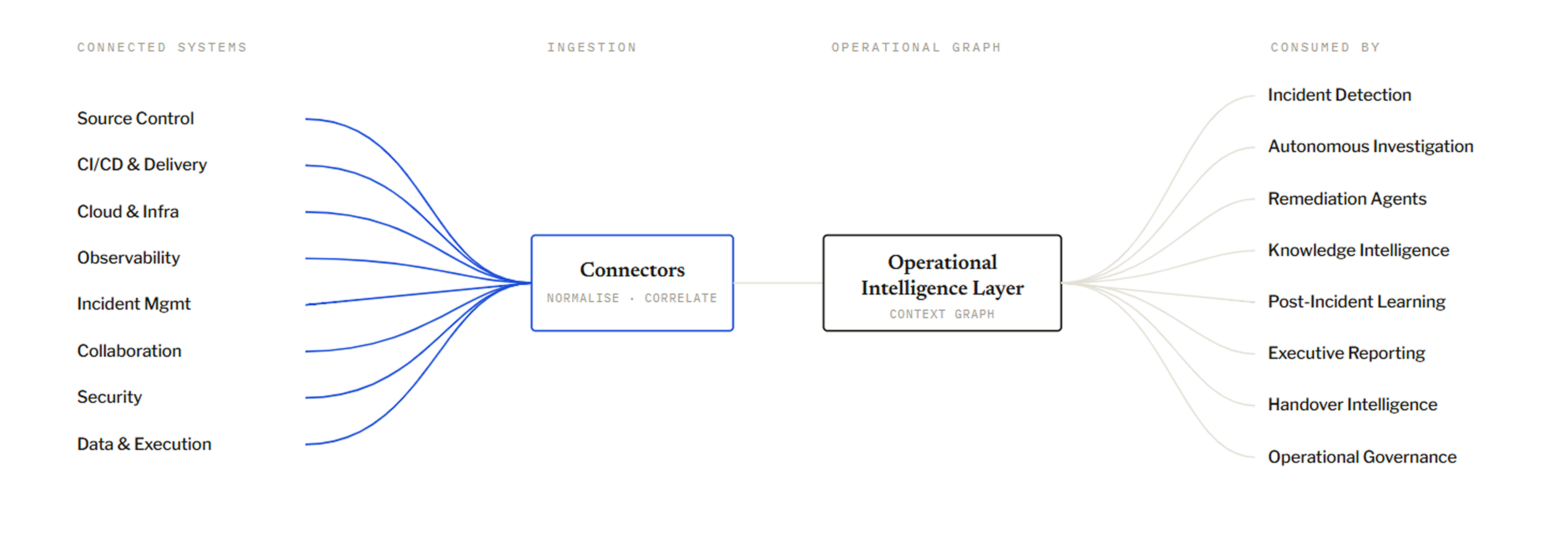
Every connected system becomes part of an operational graph.
Connectors continuously collect operational signals and transform them into structured intelligence.
That intelligence is consumed by incident workflows, autonomous investigations, remediation agents, knowledge intelligence, post-incident learning systems, executive reporting, and operational governance processes.
Rather than treating integrations as isolated point-to-point connections, Scrubbe treats every connected system as part of a broader operational graph. Each event, alert, deployment, configuration change, approval action, infrastructure signal, communication thread, and remediation activity contributes to a continuously evolving understanding of operational health.
The questions that matter
What changed, what broke, who's affected — every incident starts with a question your stack already has the answer to. Scrubbe connects to the tools you already run and turns that scattered context into a single, investigable timeline.

46+ Native integrations for all categories
Signals from every platform are normalised into a single, deduplicated event stream - so you act on incidents, not noise.
GitHub

Gitlab

Bitbucket

Azure DevOps
Signals in. Intelligence out.
Connectors normalise every signal into one canonical model, build the operational graph, and feed every downstream system that depends on it.

Request a Connector
Don't see a system you depend on? Tell us what to build next. Connector requests are reviewed by the integrations team and prioritised against demand across the platform.
Custom Connector Workbench
Bring your own systems into the graph. Internal platforms, legacy tooling, and bespoke services can be modelled directly. The workbench guides you from connectivity through event mapping, service correlation, and operational intelligence routing — so a custom source behaves exactly like a native one.
A connected operational ecosystem.
Connect your systems, map your own, and let intelligence flow freely across detection, investigation, remediation, and learning.

Cookie preferences
We use essential cookies to keep Scrubbe secure and functional. You can choose whether to allow analytics, preferences, and marketing cookies, and update your choices at any time.
Essential cookies
Required for security, session continuity, consent state, and core site functionality. These are always on.
Analytics cookies
Help us understand usage patterns so we can improve product pages, onboarding paths, and documentation quality.
Preference cookies
Remember selected settings such as region, UI preferences, and previously chosen site options.
Marketing cookies
Enable campaign measurement and more relevant follow-up communications across trusted channels.
Your choices are stored locally in this browser and can be updated at any time from the cookie settings button.